
It Feels Like Home!
It Feels Like Home!
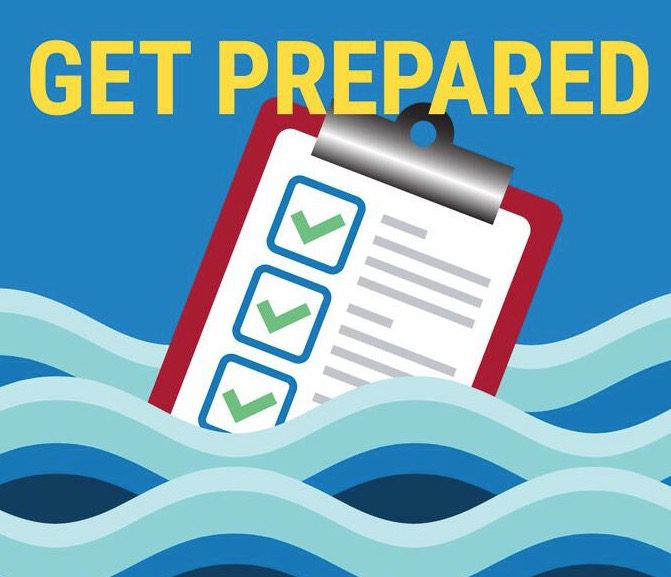
As hurricane season approaches, it’s crucial to have the necessary supplies on hand to weather the storm and ensure the safety of yourself and your loved ones. Here’s a hurricane supplies checklist of items needed.
Water: Plan for at least one gallon of drinking water per person per day for a minimum of three days. Store water in clean containers and consider additional water for sanitation and hygiene purposes.
Non-Perishable Food: Stock up on non-perishable food items that require no refrigeration, cooking, or preparation. Include canned goods, dried fruits, nuts, granola bars, peanut butter, crackers, and ready-to-eat meals.
Manual Can Opener: Ensure you have a manual can opener on hand to access canned food items in case of power outages.
Medications: Keep a supply of prescription medications, over-the-counter medications, and first aid supplies in your emergency kit. Don’t forget to include any special medical needs or supplies for infants, elderly family members, or pets.
Flashlights and Batteries: Pack multiple flashlights with extra batteries or rechargeable batteries to provide illumination during power outages. Avoid using candles, as they pose a fire hazard.
Battery-Powered or Hand-Crank Radio: Have a battery-powered or hand-crank radio to stay informed of weather updates, emergency alerts, and evacuation orders. Consider a NOAA Weather Radio for access to official weather information.
Portable Phone Charger: Keep portable phone chargers or power banks charged to ensure you can stay connected and communicate with family members, emergency services, and loved ones during power outages.
Personal Hygiene Items: Include personal hygiene items such as hand sanitizer, wet wipes, tissues, toilet paper, soap, toothpaste, toothbrushes, and feminine hygiene products in your emergency kit.
Clothing and Bedding: Pack a change of clothing, sturdy shoes, and extra socks for each family member. Also, include blankets, sleeping bags, or warm bedding to stay comfortable during inclement weather.
Important Documents: Safeguard important documents such as identification cards, passports, insurance policies, medical records, and financial documents in waterproof containers or digital backups.
Cash: Keep a small amount of cash on hand in case of ATM or banking disruptions during and after the storm.
Tools and Supplies: Include basic tools, such as wrenches, pliers, screwdrivers, and duct tape, for minor repairs and maintenance tasks. Also, consider adding a multi-tool, utility knife, and work gloves to your kit.
Pet Supplies: Don’t forget to prepare for your pets’ needs by packing food, water, medications, leashes, carriers, and bedding. Also, include copies of vaccination records and identification tags.
Emergency Contacts: Compile a list of emergency contacts, including family members, neighbors, local authorities, and emergency services. Share this information with all household members and keep a copy in your emergency kit.
Additional Supplies: Consider adding items such as a whistle, signal mirror, waterproof matches, insect repellent, sunscreen, and entertainment options (books, games, puzzles) to your emergency kit for added comfort and safety.
By assembling and maintaining a well-stocked emergency kit, you can better prepare yourself and your family for the challenges posed by hurricanes and other natural disasters. Be proactive, stay informed, and stay safe.