
It Feels Like Home!
It Feels Like Home!
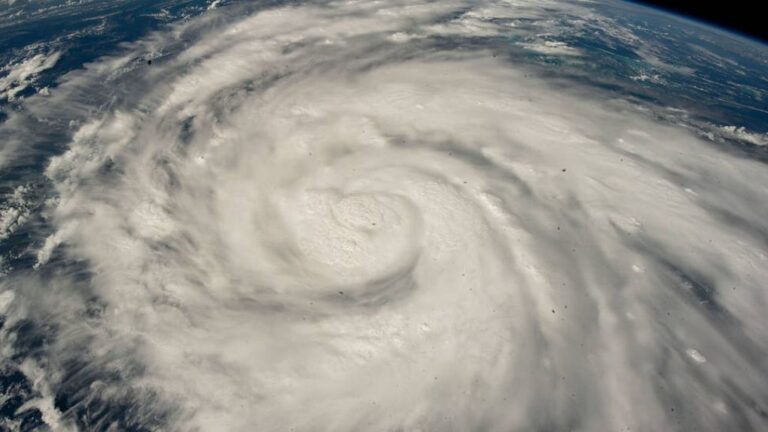
Hurricane development in Florida is a common concern during the Atlantic hurricane season, which runs from June 1 to November 30, peaking in August and September. Florida is particularly vulnerable due to its long coastline, warm ocean waters, and flat terrain.
Warm Ocean Water: Hurricanes form over warm waters (at least 80°F / 27°C), which are abundant around Florida, especially in the Gulf of Mexico and the Atlantic.
Low Wind Shear: Low vertical wind shear allows storms to organize and intensify.
Moist Atmosphere: A humid environment helps sustain thunderstorms within the storm system.
Disturbance or Trigger: Tropical waves from Africa, stalled frontal boundaries, or remnants of other systems can kick-start development.
Cape Verde Storms: Start near Africa and may strengthen into major hurricanes as they cross the Atlantic.
Gulf-Origin Storms: Can form quickly and intensify rapidly before hitting the Gulf Coast, including Florida.
East Coast Storms: May brush or directly strike Florida from the Atlantic side.
Caribbean Systems: Often move northward into Florida, especially later in the season.
Increased frequency of rapid intensification, making preparation harder.
Warmer sea surface temperatures are fueling stronger storms.
Florida has seen multiple landfalls in recent years, including Hurricane Ian (2022) and Hurricane Idalia (2023).
You should start preparing to evacuate when:
A Tropical Storm or Hurricane Watch is issued (possible impacts within 48 hours).
You live in:
A storm surge evacuation zone.
A mobile or manufactured home.
A flood-prone or low-lying area.
You or someone in your household has special medical needs.
Your county emergency management recommends early preparation.
This means:
Check evacuation routes.
Gather important documents, medications, food, and water.
Fuel your vehicle.
Know where you’re going (shelter, hotel, friends/family outside the zone).
You should evacuate immediately when:
A mandatory evacuation order is issued for your zone or area.
Your home is unsafe to withstand a hurricane (e.g., near the coast, weak structure).
There’s a Category 3 or higher hurricane expected to make landfall nearby and you’re in a vulnerable zone.
Do not wait until the last minute, as roads will clog, and fuel and supplies may run out.